Proposed
Tractor procurement
Proposed procurement of 5,000 units of Chinese-brand HUATUO and Massey Ferguson tractors with full implements. Initial phase targets 1,000 units.
The project
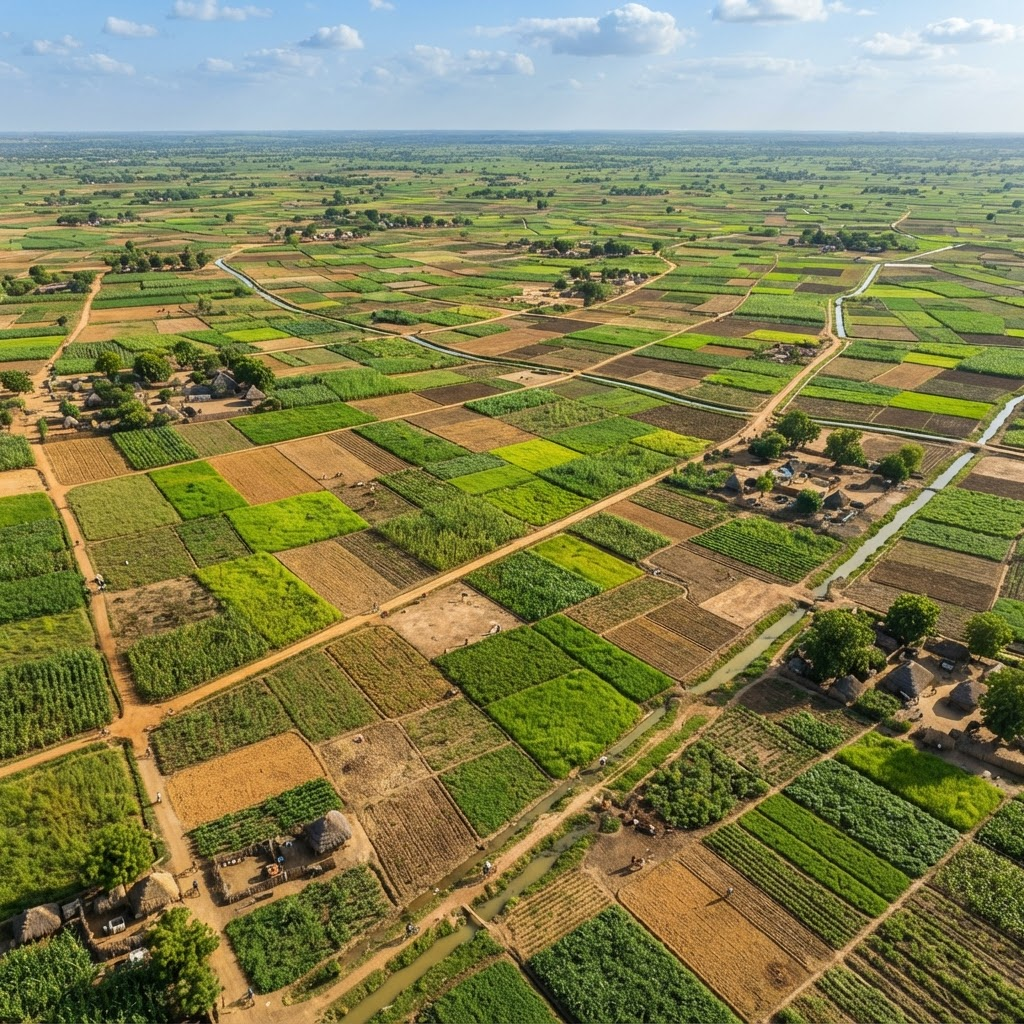
A proposed seven-year collaboration between Adecat Agricares Services Limited and the Federal Ministry of Agriculture and Rural Development to provide mechanized farming equipment, practical training, and farmland access to rural farmers across all 36 states and the FCT.
Project purpose
This business case serves as a guideline and model for attracting investors into mechanized farming. It presents a comprehensive framework for partnering with the Federal Ministry of Agriculture and Rural Development to implement a project focused on providing mechanized farming implements and training to rural farmers in Nigeria.
The initiative aims to enhance agricultural productivity, ensure food security, and empower local communities by leveraging modern farming technologies and capacity-building programmes. The project is designed to run for seven years with an option to continue upon actualization of stated aims and objectives, divided into phases for monitoring and evaluation.
All figures, targets, and stakeholder roles on this page are drawn from the ADECAT Agricares Business Case document. They represent proposed, estimated, or planned values. No figure should be treated as a confirmed outcome or binding commitment until formally approved and verified by an authorized administrator.
Project scope
The proposed project scope covers tractor procurement, farmer training, land preparation, government collaboration, monitoring, and long-term sustainability.
Proposed procurement of 5,000 units of Chinese-brand HUATUO and Massey Ferguson tractors with full implements. Initial phase targets 1,000 units.
Training of 37,000 farmers nationwide at a rate of 1,000 farmers per state and the FCT, covering tractor operation, maintenance, and safety.
Securing 1,000 acres of suitable farmland per state and FCT for practical training sessions, including land clearing, ploughing, and irrigation setup.
Formal partnership with the Federal Ministry of Agriculture and Rural Development and the Bank of Agriculture under a proposed Memorandum of Understanding.
Phased monitoring and evaluation framework to track progress, assess training effectiveness, conduct site inspections, and ensure quality standards.
Seven-year programme with strategies for long-term farmer capacity, market linkages, access to finance, and cooperative development.
Project budget
The following figures are taken directly from the ADECAT Agricares Business Case. All financial estimates are subject to verification, exchange-rate movements, and formal project approval.
| S/N | Item | Quantity | Amount (NGN, estimated) |
|---|---|---|---|
| 1 | Massey Ferguson MF 375 with all components and shipping Based on $22,800 per unit. Currency conversion at the rate used in the source document. | 1,000 units | ₦46,480,000,000 |
| 2 | Land leasing (1,000 acres per state and FCT) ₦30,000 per acre × 37 locations. | 37,000 acres | ₦1,110,000,000 |
| 3 | Farmer training (1,000 farmers per state and FCT) ₦10,000,000 per state × 37 locations. | 37,000 farmers | ₦370,000,000 |
| Total estimated project cost | ₦47,960,000,000 | ||
All financial figures shown are historical estimates from the ADECAT Agricares Business Case. They are subject to verification, exchange-rate movements, supplier quotations, due diligence, and formal project approval. The source document notes that currency conversion is based on a rate that is not fixed. Note: the source document also contains a separate procurement figure for 5,000 units totalling approximately ₦182,450,000,000 and a 1,000-unit procurement estimate of ₦46,480,000,000. Both figures are preserved here pending administrator reconciliation.
Budget breakdown
Cost allocation and proposed stakeholder contributions from the ADECAT Agricares Business Case. All figures are estimates pending formal approval.
Breakdown of the ₦47.96 billion estimated total project cost across the three main budget lines.
Adecat Agricares Services Ltd (85%) and the Federal Ministry of Agriculture and Rural Development (15%, proposed).
85%
Project initiator and equity contributor
₦40,766,000,000 (estimated)
15%
Training, empowerment, and farm inputs contribution (proposed)
₦7,194,000,000 (estimated)
Contribution percentages and amounts are from the ADECAT Agricares Business Case. The Federal Ministry contribution is described as proposed support for training and farmer empowerment. Neither contribution should be treated as committed funding until documented confirmation is provided.
Project organization
The following roles are identified in the ADECAT Agricares Business Case. Status labels reflect the document's description, not confirmed active engagement.
| Role | Entity / Person | Status |
|---|---|---|
| Project sponsor | Adecat Agricares Services Limited | Confirmed |
| Project promoter | Alh. Moshood B.O Abiola (President / CEO) | Confirmed |
| Government collaborator | Federal Ministry of Agriculture and Rural Development | Proposed |
| Financial institution | Bank of Agriculture | Proposed |
| Beneficiaries | Rural farmers and local communities across 36 states and FCT | Target group |
Proposed governance framework
The project will be governed by a Memorandum of Understanding. The following governance elements are proposed in the ADECAT Agricares Business Case.
Formal MOU between ADECAT, the Federal Ministry of Agriculture, and relevant stakeholders.
Structured progress meetings to ensure effective communication, coordination, and decision-making.
Regular progress reports tracking implementation milestones, expenditure, and farmer outcomes.
Periodic performance reviews to assess training effectiveness, equipment deployment, and impact.
Mechanisms for community feedback, cooperative participation, and local governance engagement.
Division into phases for structured monitoring, evaluation, and adaptive management over the seven-year period.
Build with us